If your doctor has mentioned "extended monitoring" for palpitations or unexplained symptoms, you may be wondering which device you'll actually wear. The two most common options — the Holter monitor and the event/loop recorder — serve different purposes.
Holter monitor: continuous, short-term
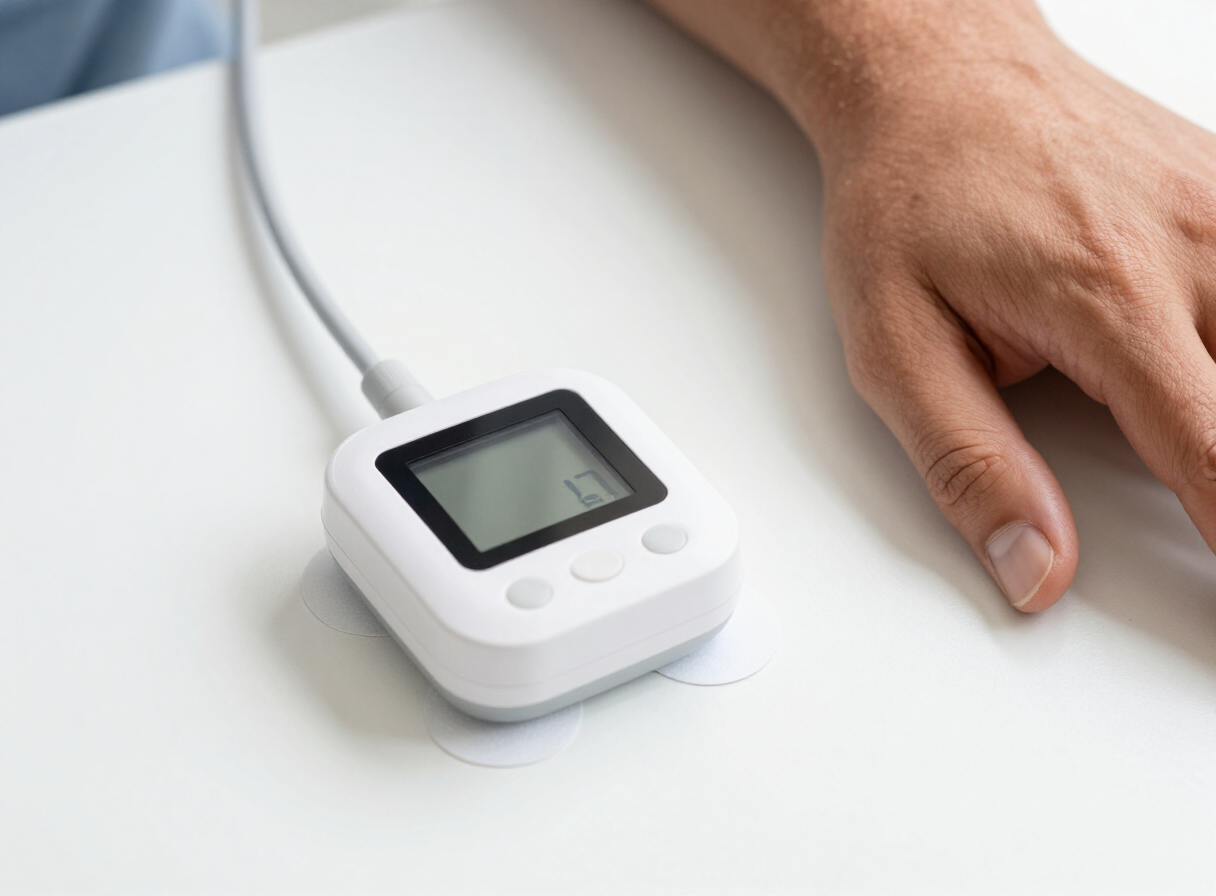
A Holter monitor records your heart's rhythm continuously, day and night, for a defined 24 to 48 hour window. It's ideal for capturing frequent or daily symptoms, since it doesn't rely on you noticing and triggering a recording.
Event/loop recorder: longer-term, symptom-triggered
An event or loop recorder is worn for a longer stretch — often one to several weeks — and is designed for symptoms that come and go unpredictably. Many devices auto-detect abnormal rhythms, and you can also press a button when you feel something to mark the moment for review.
Which one will I need?
Your physician chooses based on how often your symptoms occur. Frequent, near-daily symptoms often point to a Holter monitor. Infrequent or unpredictable episodes — especially if a short-term monitor hasn't caught anything — often point to an event recorder.
The right test isn't about which device is more advanced — it's about which one is most likely to catch your particular pattern of symptoms.
What both tests have in common
Neither requires any downtime. You go about your normal daily activities while wearing either device, then return it to the clinic so a cardiologist can review the recorded data.